It is inspirational that the first thing every Dominican professional béisbol player does with their first big league paycheque is they go and buy a brand-new mansion for their mothers back home in their island known as Quisqueya. Quisqueya is the name given by the Indigenous Taino people to this beautiful island. In fact, mothers are so beloved in Quisqueya that the two countries that share this island: Haiti and Dominican Republic (DR) celebrate Mother’s Day on the last Sunday of May rather than the common place second Sunday of May giving the occasion a special meaning.
This Mother’s Day I have found myself remembering how much our mother and our family loved life in the DR and how she admired the quiet courage of Dominicans in the face of adversity. For example, she had a deep respect for how low-income Dominican families would resiliently carry on even after losing their homes during hurricane season. It was as if nothing could deter their drive to help their families. While I was born in Peru, I had the good fortune to grow up in Bonao, DR because my dad found an engineering job with La Falconbridge a Canadian mining company there in the 70’s. So, we left Peru for the DR when I was 2 years old. Because of my time there, my Spanish is more Dominican than Peruvian. And although I love fútbol like almost every Peruvian, I fell in love with béisbol thanks to watching the Dominican Blue Jays during my teens when we left the DR and moved to Toronto in the 80’s.
While most Torontonians know about José Bautista and Vladimir Guerrero Jr, this Mother’s Day I want to commemorate those original Dominican Blue Jays who left the warmth of their Quisqueya in the 80’s to brave the cold, learn a foreign language, support their families back home, and represent our city Toronto. And of course, they all bought homes for their Dominican mothers with their first Blue Jays paycheques. These players all form part of an unbreakable bond I have with Quisqueya.
The Ballistic Ballet of Tony Fernández
Although, I have yet to see the Bolshoi Ballet on stage, I have been lucky enough to witness the graceful fluidity of Tony Fernández in the baseball field. Watching Fernández play ball was akin to watching Guy Lafleur play hockey or Zinedine Zidane play football. All three had the composure of ballet dancers and made their craft look easy at times. An intelligent and elegant player, Fernández was also a consummate athlete who took fitness to another level. His return to the Blue Jays in 1993 was a key catalyst for the team to win a second consecutive World Series crown. Tragically after battling kidney disease Fernández would pass away at the young age of 57 in 2020.
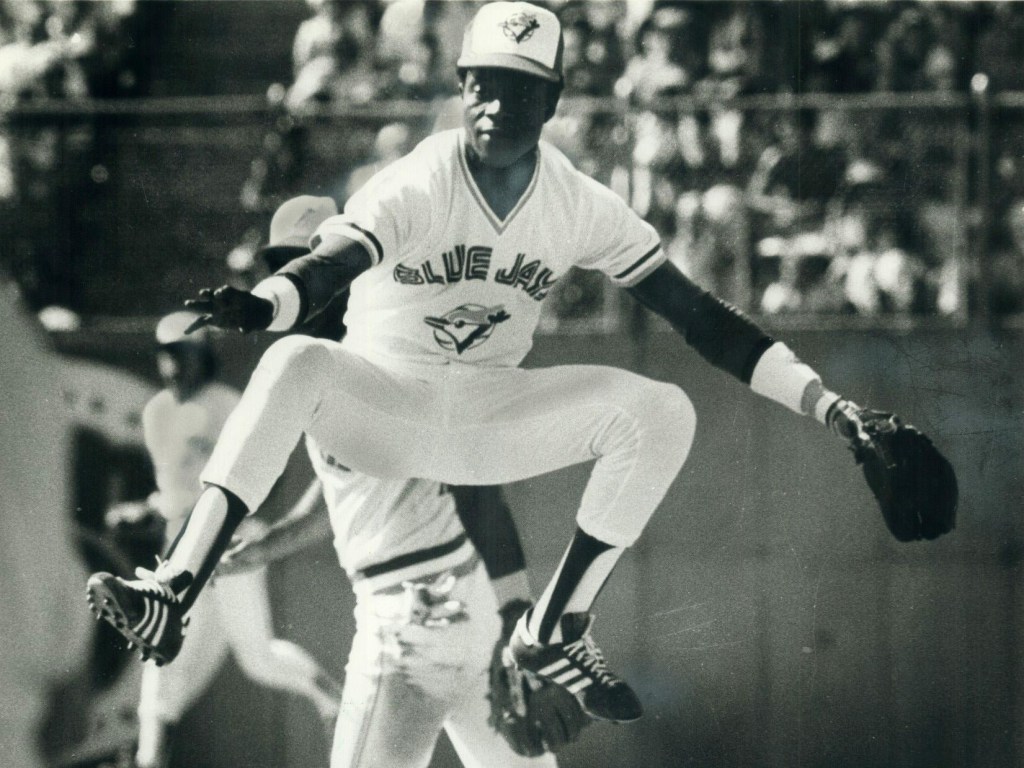
Dámaso García the Trailblazer
When we moved to Toronto in the early 80’s it was comforting to know that there was a Blue Jays baseball player who could pass for one of my relatives: Dámaso García. The extremely talented and athletic García helped build the Blue Jays into a serious contender. In those days, the Latino community in Toronto was not as large as it is today, in fact, it was rather small. I rarely heard Spanish spoken in the streets of Toronto back then. And if I did, invariably, I would say “hola” to my fellow Spanish speakers in those times. How things have changed, now we hear just about every language spoken in the subway, shops, and restaurants of Toronto. So, García paved the way not just for the Blue Jays, but for Latinos like me. Oddly enough, García began his career as a professional football player in the DR and later switched to baseball. This is further proof of his unique talent for sports and athletic prowess. Sadly, García would also pass away rather young at 63 in 2020 the same year as Fernández. Both Fernández and García exemplified that quiet Dominican courage not only in the baseball field but also in their personal lives as they battled several illnesses with grace, dignity, and determination.
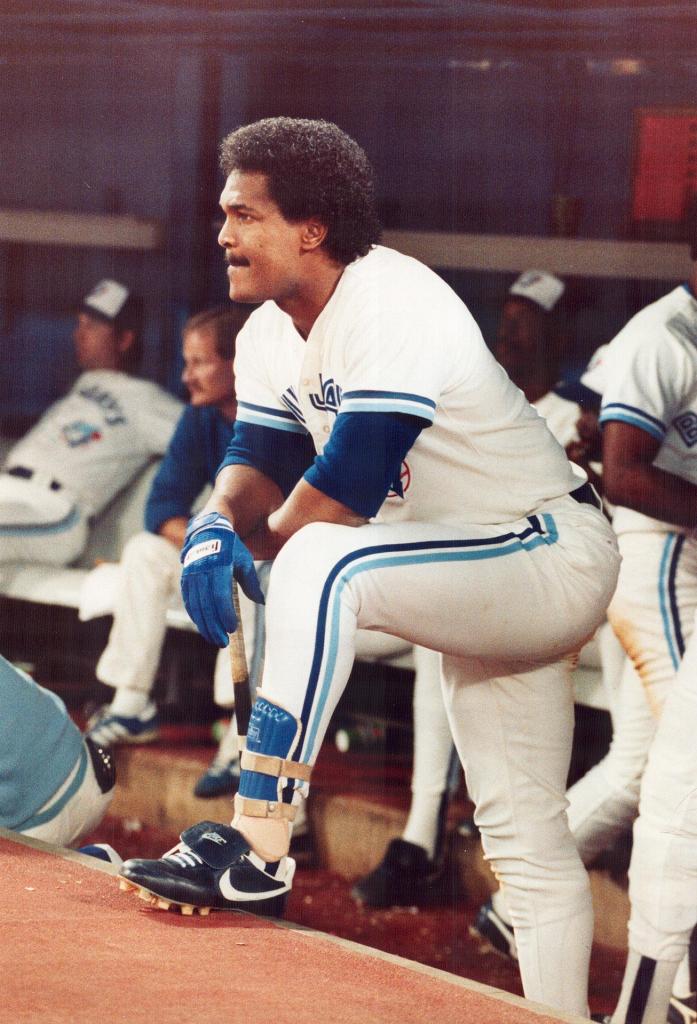
The Quiet Leadership of George Bell
There are many styles of leadership. However, nothing speaks louder than the leader who leads by example. Bell’s competitiveness and powerful hitting inspired his teammates. I don’t ever recall seeing George Bell discouraged in the field or looking defeated. Quite the opposite Bell never showed fear to his opponents. Like García, Bell helped build the Blue Jays team that would go on to win two World Series trophies. Fortunately, Bell is still with us and is 65 today. Bell’s three home runs on opening day of the 1988 season demonstrates how a quiet person can be a great leader. Bell also was a kind leader outside of the field and raised funds to build an orphanage in the DR.
Our Unbreakable Bond with Quisqueya
After immigrating to Canada from the DR, following the Dominican Blue Jays in the 80’s was a way for me to keep in touch with Quisqueya the island of my youth. Bell, García, and Fernández emblemized that quiet Dominican courage that I had seen in so many resilient people during my time in Quisqueya. At one point one of my younger Peruvian aunties went to the DR to study her MBA, and she met the former goalie of my school’s senior football team a kind and generous Dominican man. They fell in love, got married and their children my cousins are both Dominican and Peruvian. They also moved to Toronto, so now we are all Canadians. Before leaving the DR, my mother wrote a short goodbye note in the community newsletter of Bonao. In it she described our family’s 11-year stay in the DR as wonderful and unforgettable. She ended the note by saying that we are taking with us to Canada a lovely souvenir from Quisqueya: her youngest son my younger brother, who was born there and is Dominican.

 High Park Engineer
Leave a comment